Author: admin

  • Insurance Deductibles Explained

    Insurance Deductibles Explained

    Insurance Deductibles Explained

    An insurance deductible is the amount of money a policyholder must pay out of pocket before the insurance company starts covering expenses. Deductibles apply to many types of insurance, including health, auto, home, and travel insurance.

    What Is a Deductible?

    A deductible is a cost-sharing mechanism designed to prevent small or unnecessary claims. For example, if your deductible is $500 and a covered loss costs $2,000, you pay the first $500 while the insurer covers the remaining $1,500.

    Why Deductibles Exist

    Deductibles help insurance companies manage risk and reduce frequent claims. They also encourage policyholders to act responsibly and avoid minor claims.

    Types of Deductibles

    • Fixed deductible – A set amount per claim
    • Percentage deductible – Based on the insured value
    • Annual deductible – Applied once per year (common in health insurance)
    • Per-incident deductible – Applies to each claim

    How Deductibles Affect Premiums

    Higher deductibles usually result in lower premiums, while lower deductibles increase premium costs. Choosing the right balance depends on financial capacity and risk tolerance.

    Deductibles in Different Insurance Types

    Health Insurance

    Health insurance deductibles apply before the insurer pays for medical services, excluding preventive care in many cases.

    Auto Insurance

    Auto deductibles apply to collision and comprehensive coverage. Liability insurance typically has no deductible.

    Home Insurance

    Home insurance deductibles often apply to property damage claims, including fire, theft, and natural disasters.

    Choosing the Right Deductible

    Policyholders should consider income, savings, and risk exposure before selecting a deductible amount.

    Conclusion

    Understanding deductibles helps consumers make smarter insurance decisions. The right deductible can reduce premiums while still offering adequate protection.

  • How Insurance Claims Work Step by Step

    How Insurance Claims Work Step by Step

    How Insurance Claims Work Step by Step

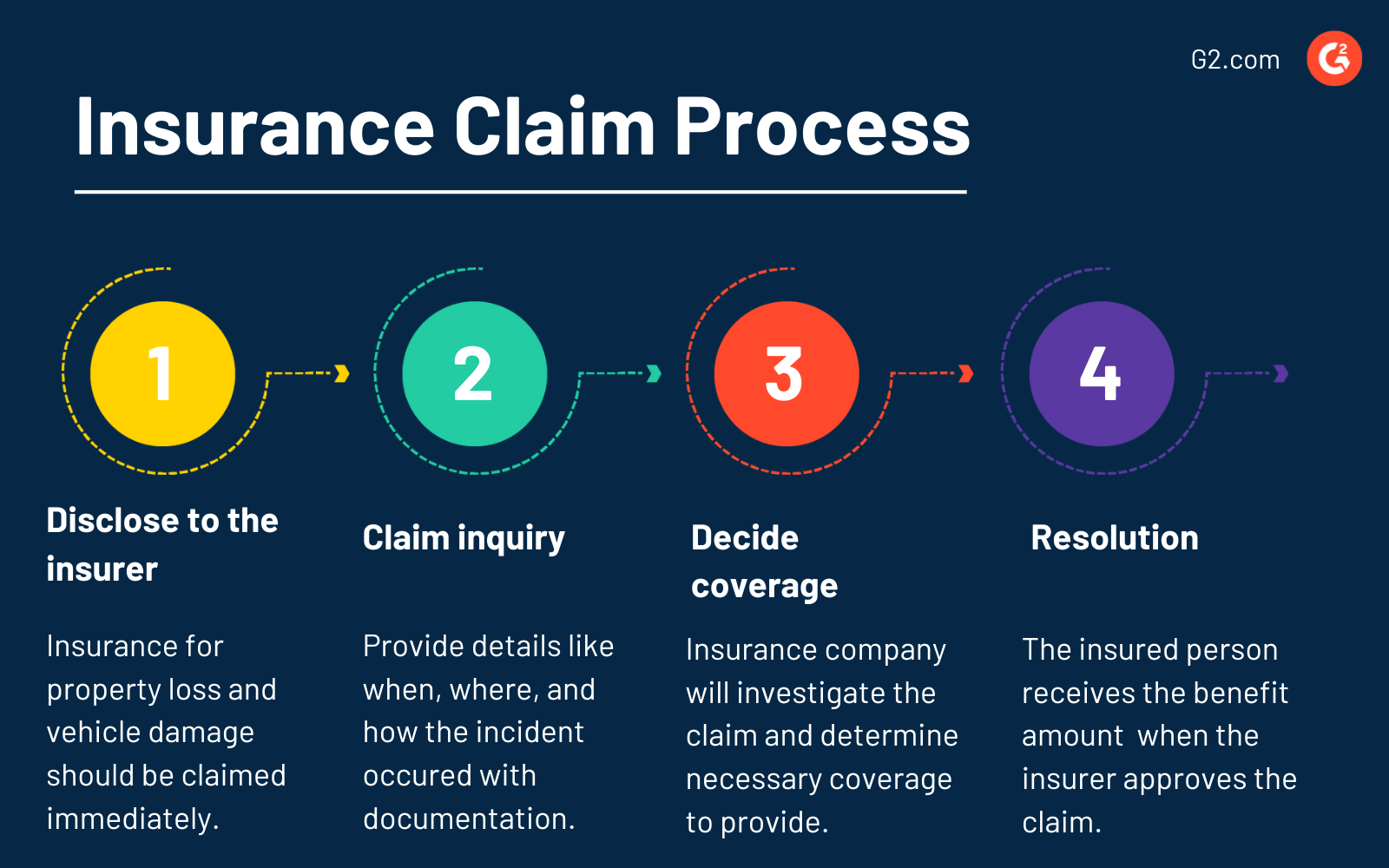
    Filing an insurance claim can seem complex, but understanding the process helps ensure smooth and timely reimbursement. This guide explains the general steps for making claims across different types of insurance.

    Step 1: Notify the Insurance Company

    As soon as an incident occurs, inform your insurer. Most policies require prompt notification to begin the claim process.

    Step 2: Collect Documentation

    Gather all relevant documents, including police reports, medical records, receipts, photographs, or invoices depending on the type of claim.

    Step 3: Fill Out the Claim Form

    Complete the insurer’s claim form accurately. Provide detailed information about the incident, damages, and losses.

    Step 4: Submit the Claim

    Submit the claim along with supporting documentation. Some insurers offer online submission, while others may require physical forms.

    Step 5: Claim Assessment

    The insurance company reviews the claim to verify coverage, evaluate damages, and determine liability.

    Step 6: Investigation (if necessary)

    Some claims may require additional investigation, such as inspections, interviews, or expert evaluations.

    Step 7: Claim Approval or Rejection

    The insurer either approves the claim and calculates the payout, or rejects it if it does not meet policy requirements.

    Step 8: Receiving the Payout

    Once approved, the insurance company issues the payment to the policyholder or directly to service providers depending on the policy.

    Tips for Smooth Claims

    • Maintain accurate records
    • Notify the insurer promptly
    • Understand policy terms and exclusions
    • Follow all procedural instructions

    Conclusion

    Understanding how insurance claims work reduces stress and increases the likelihood of a successful payout. Proper preparation and timely communication are key to a smooth process.

  • Travel Insurance: What It Covers and What It Doesn’t

    Travel Insurance: What It Covers and What It Doesn’t

    Travel Insurance: What It Covers and What It Doesn’t

    Travel insurance provides financial protection for unexpected events while traveling. It helps cover costs associated with medical emergencies, trip disruptions, and lost belongings.

    Medical Emergencies

    Most travel insurance policies cover medical emergencies that occur while traveling. This includes hospital stays, doctor visits, and emergency medical evacuation.

    Trip Cancellation and Interruption

    Travel insurance often reimburses non-refundable costs if a trip is canceled or interrupted due to covered reasons such as illness, accidents, or severe weather.

    Lost or Delayed Baggage

    Insurance may cover the replacement or repair of lost, stolen, or delayed baggage during travel.

    Emergency Evacuation

    If a traveler becomes seriously ill or injured, travel insurance may cover emergency transportation to the nearest suitable medical facility.

    Exclusions in Travel Insurance

    • Pre-existing medical conditions (unless specified)
    • High-risk activities like extreme sports (unless added)
    • Travel to regions with travel advisories
    • Loss due to negligence or illegal activities

    Tips for Travelers

    Before purchasing travel insurance, check coverage limits, exclusions, and policy terms carefully. Tailor the policy to match the type of trip and destinations.

    Conclusion

    Travel insurance helps reduce financial risk and provides peace of mind. Understanding what is covered and what is excluded is essential for choosing the right policy for your trip.

  • Why Home Insurance Matters for Property Owners

    Why Home Insurance Matters for Property Owners

    Why Home Insurance Matters for Property Owners

    Owning a home is one of the largest financial investments many people make. Home insurance helps protect this investment from unexpected events that could cause significant financial loss.

    What Is Home Insurance?

    Home insurance is a policy that provides financial protection for residential property, including the structure of the home and personal belongings inside it.

    Protection Against Property Damage

    Home insurance covers damage caused by events such as fire, storms, theft, and certain natural disasters.

    Coverage for Personal Belongings

    Personal belongings such as furniture, electronics, and clothing are protected against covered risks.

    Liability Protection

    Home insurance provides liability coverage if someone is injured on the insured property and the homeowner is found legally responsible.

    Financial Stability After Loss

    Repairing or rebuilding a home can be costly. Home insurance helps homeowners recover financially after major losses.

    Mortgage Requirements

    Many mortgage lenders require homeowners to maintain insurance coverage to protect the property used as collateral.

    Additional Living Expenses Coverage

    Some home insurance policies cover temporary living expenses if the home becomes uninhabitable due to covered damage.

    Common Home Insurance Exclusions

    • Flood damage
    • Earthquakes
    • Wear and tear

    Choosing the Right Home Insurance Policy

    Property owners should evaluate coverage limits, exclusions, and insurer reputation when selecting a policy.

    Conclusion

    Home insurance provides essential protection for property owners. It safeguards financial stability and offers peace of mind in uncertain situations.

  • Car Insurance Coverage Explained

    Car Insurance Coverage Explained

    Car Insurance Coverage Explained

    Car insurance is designed to protect vehicle owners from financial loss related to accidents, theft, and other vehicle-related risks. Understanding car insurance coverage helps drivers choose policies that meet legal requirements and personal needs.

    What Is Car Insurance?

    Car insurance is a contract between a vehicle owner and an insurance company. In exchange for premium payments, the insurer agrees to cover certain financial losses outlined in the policy.

    Liability Coverage

    Liability coverage is one of the most important components of car insurance. It pays for injuries and property damage caused to others in an accident where the policyholder is at fault.

    Many countries and states require minimum liability coverage by law.

    Collision Coverage

    Collision coverage pays for damage to the policyholder’s vehicle resulting from a collision with another vehicle or object, regardless of fault.

    Comprehensive Coverage

    Comprehensive coverage protects against non-collision-related losses such as theft, fire, vandalism, falling objects, and natural disasters.

    Personal Injury Protection

    Personal injury protection covers medical expenses for the driver and passengers, regardless of who caused the accident.

    Uninsured and Underinsured Motorist Coverage

    This coverage protects policyholders if they are involved in an accident with a driver who lacks sufficient insurance.

    Optional Add-Ons

    Car insurance policies may offer optional add-ons such as roadside assistance, rental car coverage, and zero depreciation benefits.

    Factors That Affect Car Insurance Premiums

    • Driving history
    • Vehicle type and age
    • Location
    • Coverage limits

    Why Understanding Coverage Matters

    Understanding car insurance coverage helps drivers avoid being underinsured and ensures financial protection in case of accidents.

    Conclusion

    Car insurance coverage provides essential financial protection. By understanding policy components, drivers can choose coverage that suits their needs and budget.

  • Life Insurance vs Investment Plans

    Life Insurance vs Investment Plans

    Life Insurance vs Investment Plans

    Life insurance and investment plans are both important financial tools, but they serve different purposes. Understanding the distinction helps individuals make better financial decisions.

    Purpose of Life Insurance

    The primary purpose of life insurance is financial protection. It provides a payout to beneficiaries in the event of the policyholder’s death.

    Purpose of Investment Plans

    Investment plans focus on wealth creation and long-term financial growth. They are designed to generate returns over time.

    Risk Coverage vs Wealth Growth

    Life insurance focuses on risk coverage, while investment plans focus on returns. Combining both can offer balanced financial planning.

    Liquidity and Accessibility

    Investment plans may offer higher liquidity compared to some insurance products, depending on the investment type.

    Returns and Guarantees

    Investment returns are not guaranteed and depend on market performance. Life insurance benefits are generally fixed based on policy terms.

    Tax Considerations

    Both life insurance and investment plans may offer tax advantages, depending on local regulations.

    Which Option Is Right?

    Choosing between life insurance and investment plans depends on individual financial goals, responsibilities, and risk tolerance.

    Using Both for Financial Balance

    Many financial strategies involve using life insurance for protection and investment plans for wealth creation.

    Conclusion

    Life insurance and investment plans are not competitors. When used correctly, they complement each other in a comprehensive financial plan.

  • How Life Insurance Protects Your Family

    How Life Insurance Protects Your Family

    How Life Insurance Protects Your Family

    Life insurance is one of the most effective tools for protecting a family’s financial future. While no policy can replace a loved one, life insurance helps reduce the financial hardship that may follow an unexpected loss.

    Income Replacement for Dependents

    For families that rely on one or more income earners, the loss of income can create serious financial challenges. Life insurance provides funds that help replace lost income and maintain daily living standards.

    Covering Everyday Living Expenses

    Life insurance payouts can be used to cover essential expenses such as housing, utilities, food, transportation, and education.

    Paying Outstanding Debts

    Many families have financial obligations such as mortgages, loans, or credit balances. Life insurance helps ensure that these debts do not become a burden on surviving family members.

    Supporting Children’s Education

    Education is a major financial commitment. Life insurance benefits can help fund school fees, higher education, and other learning-related expenses.

    Covering Funeral and Final Expenses

    Funeral costs and final arrangements can be expensive. Life insurance provides funds to handle these expenses without financial stress.

    Providing Stability During Difficult Times

    The period following a loss can be emotionally and financially overwhelming. Life insurance offers stability, allowing families to focus on healing.

    Long-Term Financial Security

    Life insurance benefits may be used to create long-term financial security through savings, investments, or trust planning.

    Peace of Mind for Policyholders

    Knowing that loved ones will be financially protected provides peace of mind to policyholders throughout their lives.

    Conclusion

    Life insurance plays a vital role in protecting families from financial uncertainty. By providing income replacement and covering essential expenses, it helps families remain secure during difficult times.

  • Life Insurance Myths You Should Stop Believing

    Life Insurance Myths You Should Stop Believing

    Life Insurance Myths You Should Stop Believing

    Life insurance is often misunderstood due to common myths and misconceptions. These misunderstandings can prevent individuals from getting proper coverage.

    Myth 1: Life Insurance Is Only for Older People

    Many people believe life insurance is only necessary later in life. In reality, buying life insurance early often results in lower premiums.

    Myth 2: Life Insurance Is Too Expensive

    Term life insurance can be affordable, especially when purchased at a younger age.

    Myth 3: Single People Do Not Need Life Insurance

    Single individuals may still need coverage for debts, funeral expenses, or dependent family members.

    Myth 4: Employer-Provided Insurance Is Enough

    Employer-provided life insurance may not offer sufficient coverage and often ends when employment changes.

    Myth 5: Life Insurance Payouts Are Always Taxed

    In many cases, life insurance death benefits are not subject to income tax.

    Myth 6: Stay-at-Home Parents Do Not Need Coverage

    Stay-at-home parents provide valuable services that would be costly to replace.

    Myth 7: Life Insurance Is Too Complicated

    Modern life insurance products are easier to understand than many people assume.

    Why These Myths Persist

    Lack of awareness and misinformation contribute to ongoing myths about life insurance.

    Conclusion

    Understanding the truth about life insurance helps individuals make confident and informed financial decisions.

  • Term Life Insurance Explained Simply

    Term Life Insurance Explained Simply

    Term Life Insurance Explained Simply

    Term life insurance is one of the most straightforward and widely used forms of life insurance. It provides financial protection for a specific period, known as the policy term.

    What Is Term Life Insurance?

    Term life insurance offers coverage for a fixed duration, such as 10, 20, or 30 years. If the insured person passes away during the term, the insurance company pays a death benefit to the designated beneficiaries.

    How Term Life Insurance Works

    The policyholder pays regular premiums to keep the policy active. If the policy expires and the insured is still alive, coverage ends without any payout.

    Why Term Life Insurance Is Popular

    Term life insurance is popular because it is generally more affordable than permanent life insurance.

    Benefits of Term Life Insurance

    • Lower premium costs
    • Simple structure
    • Flexible term options
    • High coverage amounts

    Limitations of Term Life Insurance

    Term life insurance does not build cash value. Once the policy term ends, coverage stops unless renewed.

    Who Should Consider Term Life Insurance?

    Term life insurance is suitable for individuals with temporary financial responsibilities, such as raising children or paying a mortgage.

    Choosing the Right Term Length

    Selecting an appropriate term depends on personal financial obligations and long-term goals.

    Term Life Insurance vs Permanent Life Insurance

    Term insurance focuses on protection, while permanent insurance includes savings components.

    Conclusion

    Term life insurance provides affordable and effective financial protection during critical years of life.

  • What Is Life Insurance and Who Needs It?

    What Is Life Insurance and Who Needs It?

    What Is Life Insurance and Who Needs It?

    Life insurance is a financial arrangement designed to provide support to beneficiaries after the policyholder’s death. It plays a key role in long-term financial planning.

    How Life Insurance Works

    Life insurance involves regular premium payments in exchange for a payout to beneficiaries when the insured person passes away.

    Purpose of Life Insurance

    The primary purpose of life insurance is income replacement. It helps families maintain financial stability after the loss of a primary earner.

    Who Needs Life Insurance?

    Life insurance is important for individuals with dependents, such as spouses, children, or aging parents.

    Life Insurance for Parents

    Parents often rely on life insurance to secure their children’s future, including education and daily living expenses.

    Life Insurance for Business Owners

    Business owners may use life insurance to cover debts or protect business continuity.

    Life Insurance for Single Individuals

    Single individuals may still benefit from life insurance to cover funeral costs and outstanding obligations.

    When Life Insurance May Not Be Necessary

    Individuals without dependents or financial obligations may have less need for life insurance.

    Conclusion

    Life insurance provides financial protection and peace of mind. Understanding who needs it helps individuals make informed decisions.